The National Endowment for the Humanities has funded the creation of a publicly accessible digital archive which will stream nearly 5,000 oral history interviews conducted by the great Studs Terkel from his 45 years on Chicago radio. The site is active but currently only a fraction of the material is up. Much more to come. Check it out here:
Listen to a sample: Studs interviews Alfred McCoy in 1971 about his book on the drug trade in Southeast Asia and it’s effect on American soldiers in Vietnam.
During the Vietnam War nothing got under the skin of the war managers– LBJ, Nixon, their generals, top cops and political cronies — more than public criticism from liberal, and sometimes moderate, members of the intelligentsia, college campuses and the media. The war pushers tried every dirty trick in the book, and then some, to shut these voices down– they labeled dissenters as traitors, commies and un-American; used the FBI to spy on them (Cointelpro) and the IRS to audit them; created laws to throw them in jail for protesting, or sent in ringers and police to start riots during peace marches; and in some cases even shot them dead.
But these tactics ultimately failed. Over time the chorus of voices demanding peace steadily grew in strength and in retrospect history has shown that the opposition interpretation of the war was not only more informed, but also much more honest, than that of the establishment. In fact, we know now that, from Tonkin to Cambodia, there was no lie too big for LBJ and Nixon if it served their purposes of continuing a failed policy in the hopes of pulling off a hail Mary pass late in the game–which of course did not happen.
A true turning point in modern American politics, the shady events of the war years marked the beginning of a damaging turn toward cynicism by the American public regarding the honesty and integrity of their government. Prior to Vietnam, people may have disagreed about politics, but they essentially believed their leaders were, for the most part, honest people, public administrators with honorable intentions. But the Vietnam War– with its phony after battle briefings, trumped up body counts, constant false optimism, secret bombing campaigns and duplicitous foreign diplomacy– shattered that glossy veneer. The trend was accelerated by Watergate and then officially codified into right-wing ideology by Ronald Reagan. The fallout from the war, the war at home, started the nation on the path that has left us deeply divided, and apparently paralyzed politically.
Listen to archival broadcasts from the period featuring those who stood up against the war:
Note: with the most recent national military debacle – the Iraq War – flaming out of control again, and the hawks circling above calling for US involvement, these recordings take on a renewed significance, if for nothing else than to remind ourselves that it is possible to speak out and influence events– it’s one of the only real powers “we the people” have.
FDR had stated he was against the re-acquisition of Indochina by the French after WWII. Unfortunately he didn’t make it that long. Truman ignored Ho Chi Minh’s plea for help and backed the French.
Ho Chi Minh had come to power in Vietnam with the assistance of the OSS in the wake of the Japanese surrender in September 1945. He had not yet been tarred with the Communist label– that came later for political reasons. Truman sacrificed Ho in order to keep the French solidly in the Western bloc against the Russians at the end of the war…the rest of course was tragedy….

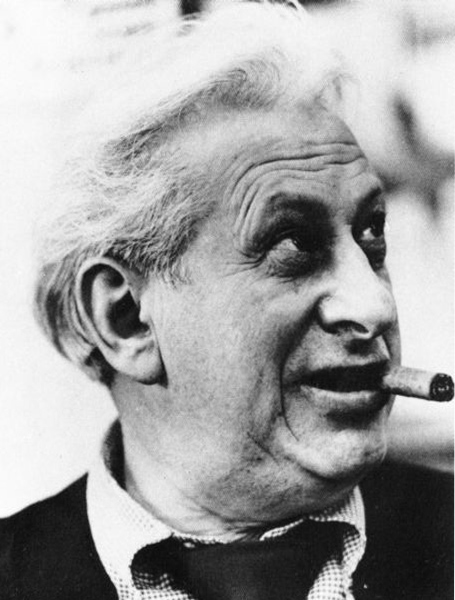 The National Endowment for the Humanities has funded the creation of a publicly accessible digital archive which will stream nearly 5,000 oral history interviews conducted by the great Studs Terkel from his 45 years on Chicago radio. The site is active but currently only a fraction of the material is up. Much more to come. Check it out here:


