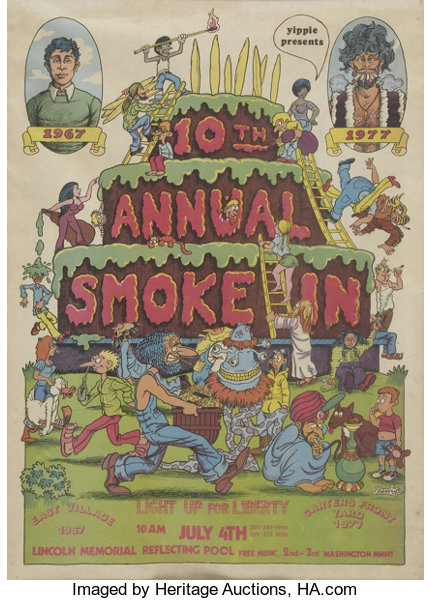
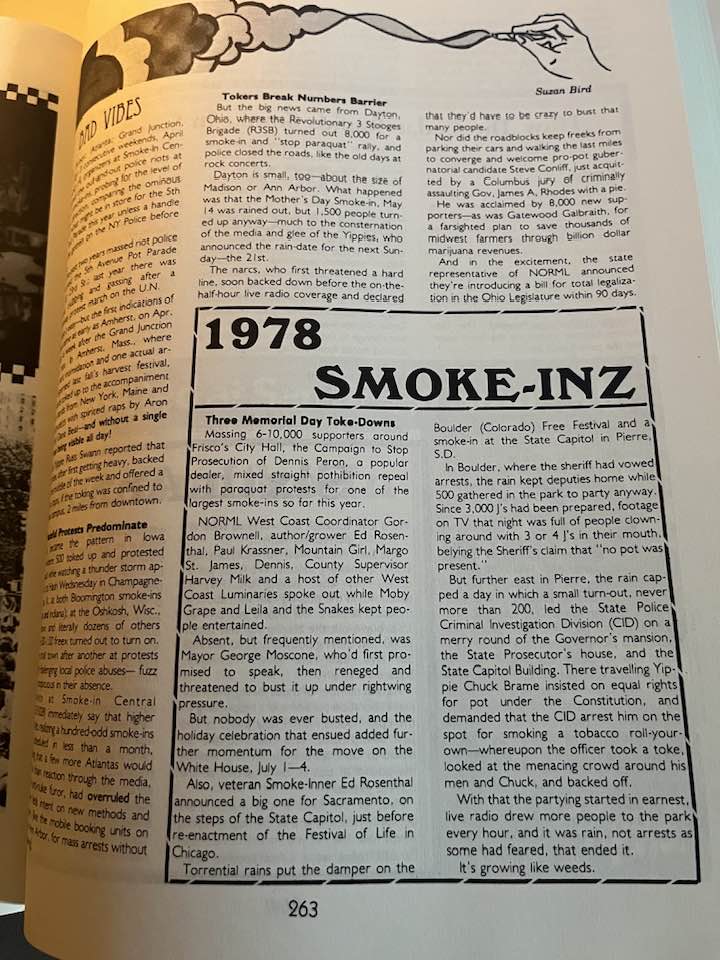
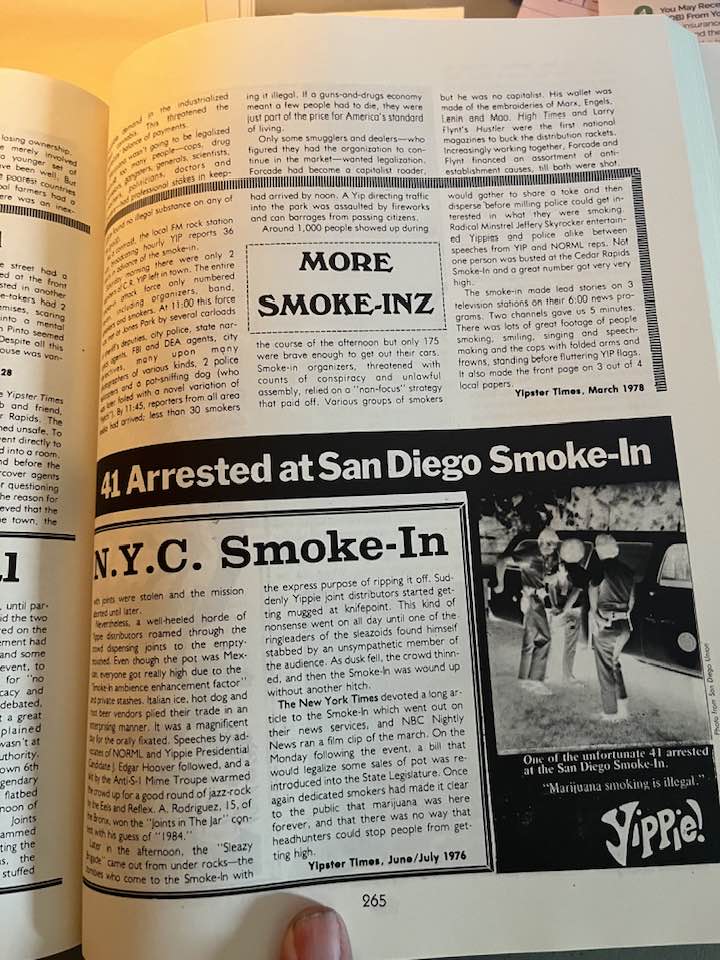
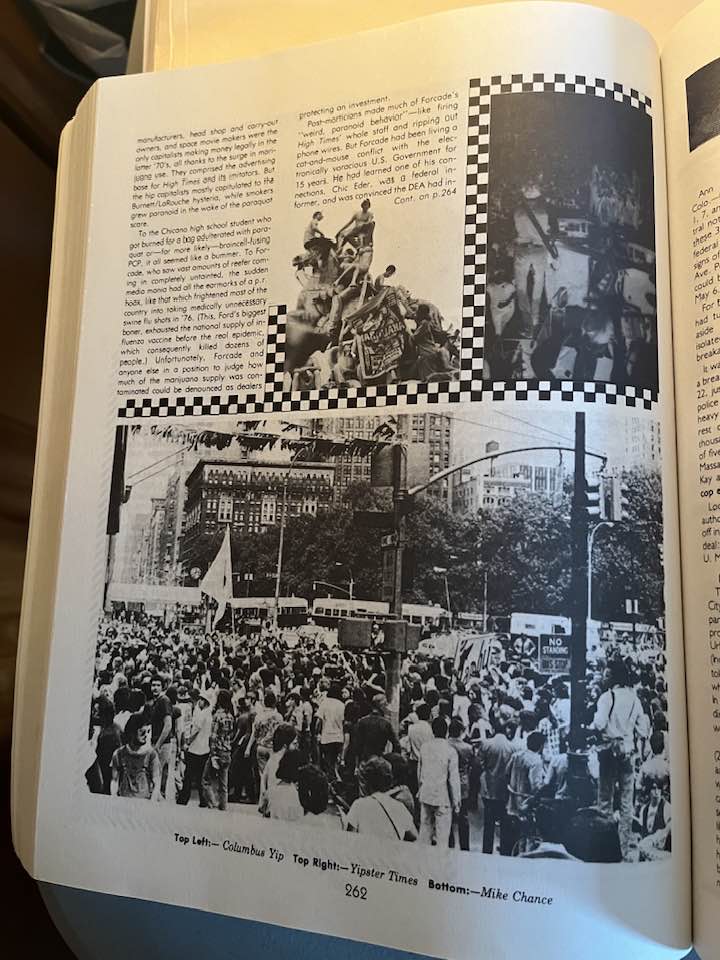
Much about the country has changed since my youth. One of the things I miss is the 4th of July smoke-in. The Youth International Party (YIP) organized smoke-ins annually across the US through the 1970s and into the early 1980s. The annual 4th of July smoke-in at Lafayette Park in DC became a counterculture tradition, as did the Ann Arbor Hash Bash. We all knew that the cops hated us but we outnumbered them so there wasn’t much they would do, although some did feature cop riots over the years, 1979 in DC comes to mind. The good news is that after all these years much of the country has finally come to its senses, legalizing marijuana to some degree, one of the few changes for the better since the coming of Reagan
The computer punch card, now a quaint artifact, was an important symbol of the times in 1964.
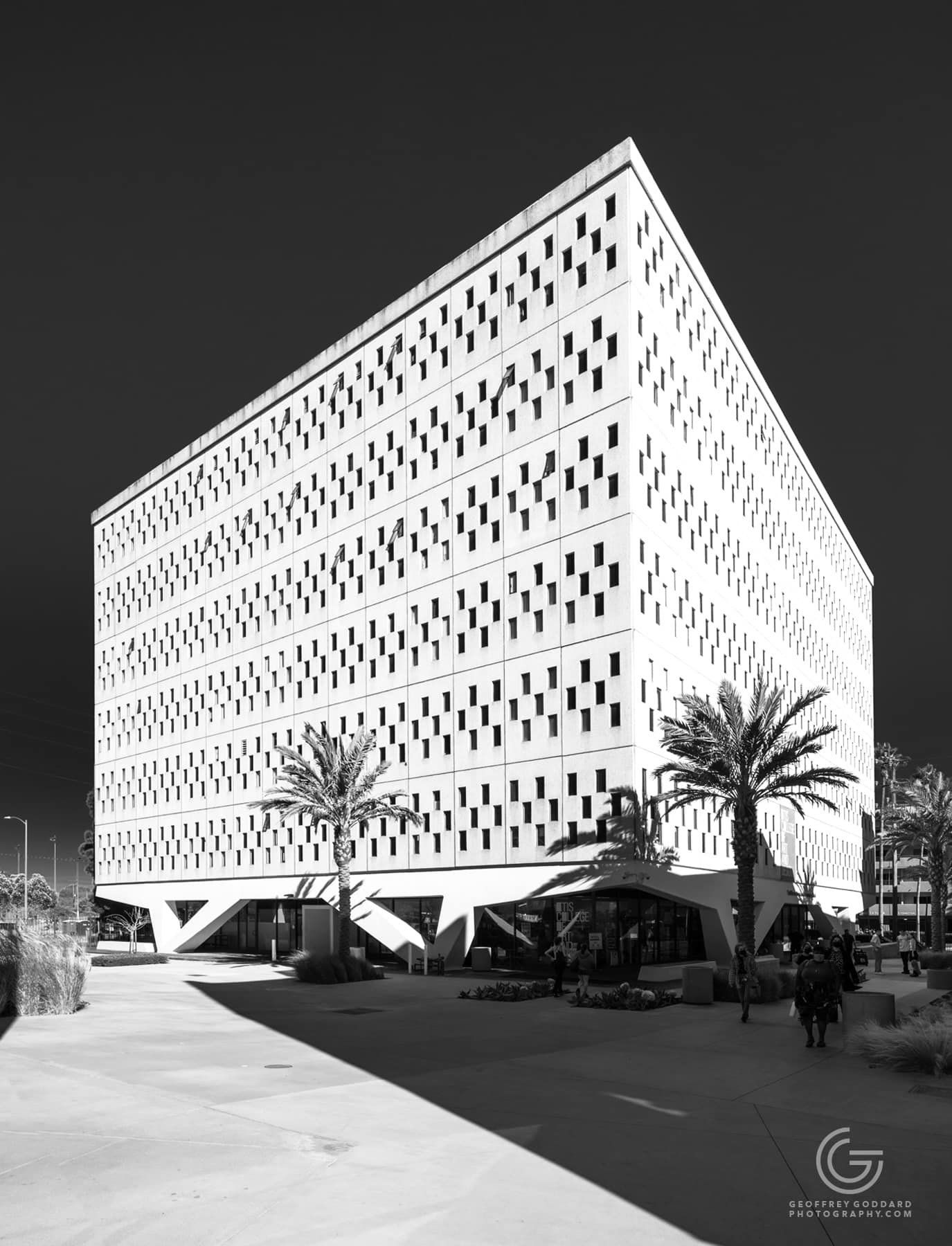
In 1964 the IBM Aerospace Headquarters building (pictured below) opened in Los Angeles. Originally built to house IBMs data processing facilities this seven-story office building with its “computer punch card” array of windows conducted the earliest versions of machine computing. It is considered an important part of industrial design history and a landmark of mid-century architecture.
That same year, in the fall of 1964, the Berkeley Free Speech Movement occurred, and the punch card was part of it. The confrontation evolved into a battle over academic freedom and the role of the university in society. Was it a factory designed to produce a managing class and “cogs in the machine”, or was it a marketplace of ideas designed to produce educated citizens?
The University of California used computer punch cards for class registration. FSM protestors turned them into a symbol of the “system” and as a symbol of alienation. The argument found its ultimate expression in the “Operation of the Machine” speech made by FSM leader Mario Savio. You can listen to the speech below. For a fascinating take on the cultural history of the punch card, including its role in the campus protests, read “Do Not Fold, Spindle or Mutilate” included below.
Personal collection of Vietnam era anti-war stickers and buttons. Many of the major events are represented:
– April 15, 1967. Spring Mobe protests in New York City (300,000 meet in Central Park and march to the United Nations) and in San Francisco.
– October 21, 1967. March on the Pentagon. 100,000 are on the National Mall in Washington DC. Norman Mailer’s book The Armies of the Night describes the event.
– October 15, 1969. National “Moratorium to End the War in Vietnam” was a massive demonstration and teach-in across the United States. Over a quarter of million people attended the Moratorium march in Washington, D.C.
– November 14, 1969. National student strike and “March against Death” in front of the White House.
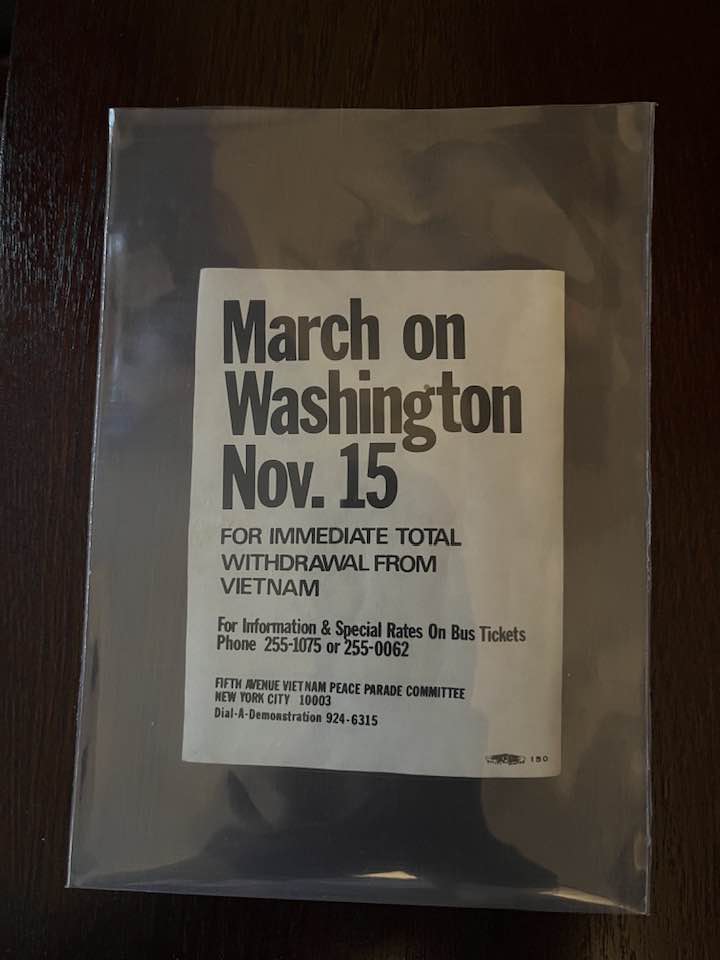
– November 15, 1969. The Mobe’s 2nd Moratorium March mobilizes 500,000 in Wash DC and San Francisco. The news of the My Lai Massacre had broken a few days earlier.
– April 24, 1971. Demonstration on the National Mall draws approximately half a million protestors to D.C. In addition over 100,00 participate in San Francisco, the largest demonstration on the West Coast.
– The large blue button commemorates the peace treaty signed on January 27, 1973. Hoa Binh is Vietnamese for Peace.
– Eugene McCarthy’s 1968 presidential campaign challenged Lyndon B. Johnson on a primarily anti–war platform. Riding a wave of dissatisfaction after the Tet Offensive McCarthy finished in a strong second place in the New Hampshire primary, prompting LBJ to decline a run for re-election.
– Nixon resigned to avoid impeachment during the Watergate scandal. It all began with Daniel Ellsberg and the Pentagon papers published in 1971. The White House approved the formation of “The Plumbers” to silence Ellsberg. Led by G. Gordon Liddy and E. Howard Hunt, the crime committed was to burglarize Ellsberg’s psychiatrist’s office to search for damning information to use to discredit him. They found nothing. The bungled operation started Nixon and his cohorts down the slippery slope of crimes that culminated in the botched break-in at Democratic National Committee headquarters at the Watergate office complex nine months later.
Life December 29, 1947 – Introduction of Ho Chi Minh
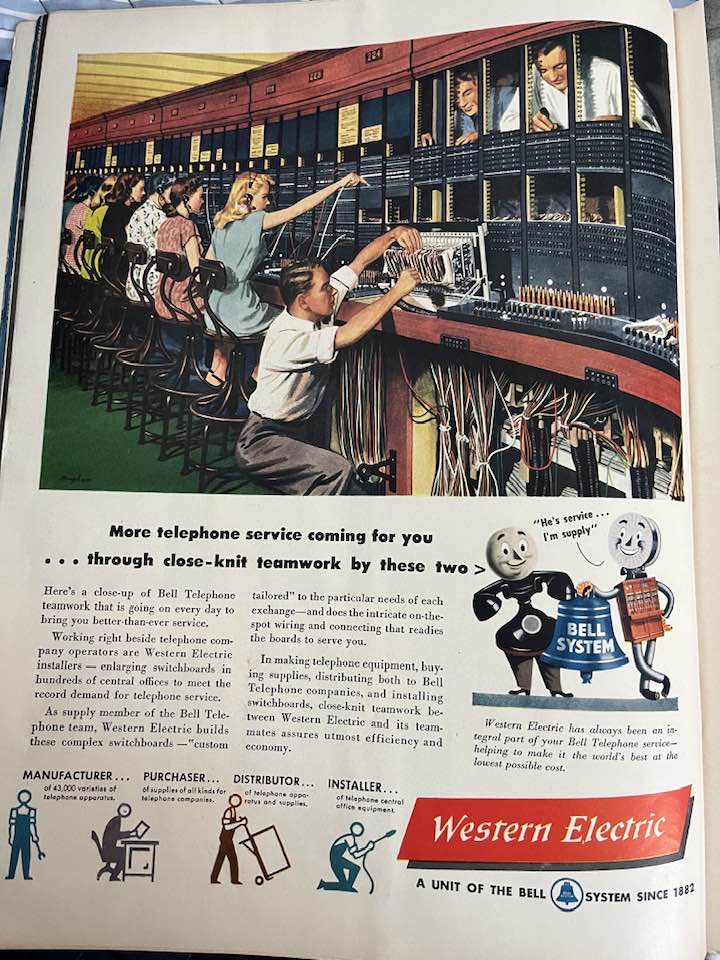
Photos from Life magazine, and others, that featured stories about the Vietnam War. Shared here in chronological order, along with some historical background for context. They are interesting artifacts of the time period. The ads are memory inducing too.
For people of my generation who grew up in the 1960s the war in Vietnam was, along with the Civil Rights Movement, the biggest ongoing news story of our youth. A substantial portion of popular culture, music, literature, movies etc, developed in reaction to these events. Much has been made of the role of TV media in influencing public opinion during the war, ultimately turning the majority of Americans against it. The war has been called the first living room war.
Less has been made of the role of the print media in leading the country into the war. No entity was more prominent in that role than Henry Luce’s Time and Life magazines. By 1950 nearly half of all college educated men in America regularly read these magazines, a number which grew throughout the 50s and 60s before ultimately fading in the late 60s under competition from television. Luce was immensely influential in political circles. Life introduced American readers to Ho Chi Minh in the December 29, 1947 issue.
By late 1947 the French had concluded that they weren’t going to take back their former colony without a substantial amount of military aid. Unfortunately for them they also knew that most Americans were staunch anti-colonialists. Truman was facing a tough re-election in 1948 and did not want to be seen as supporting colonialism. The French then hit on a brilliant strategy. They rehabilitated the son of a former emperor and installed him as the nominal “sovereign.” They then re-branded the war, not as a colonial reacquisition, but as a fight for Vietnamese nationalism versus Ho Chi Minh’s communists, ergo a crucial front in the life and death struggle between the west and soviet-directed communism. Life Magazine was quick to take up the cause. The ploy worked, the U.S. waded waist deep into the big muddy…














 Parallel Narratives